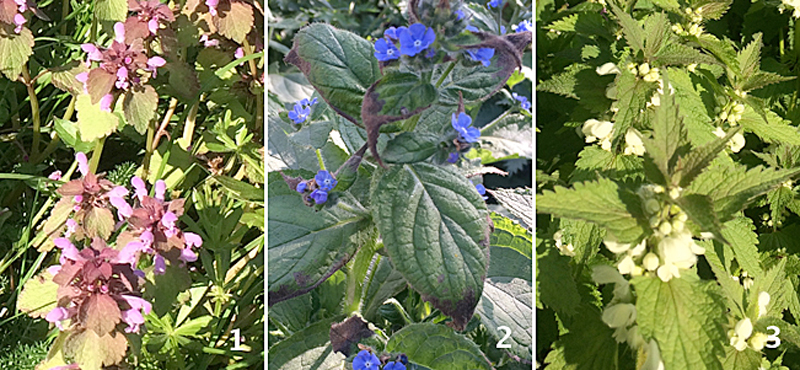
Can you spot these Plants on the Heath?

1 Red Dead-nettle – crimson-purple flowers, square stem and pungent smell. Thanks to MB for pointing out that this is not Field Woundwort.

2 Green Alkanet – a member of the forget-me-not family with blue flowers. It is common in damp shady areas.

3 White Dead-nettle – has leaves that look like a common nettle with white flowers, but they do not sting.

Spring Action Day 2019

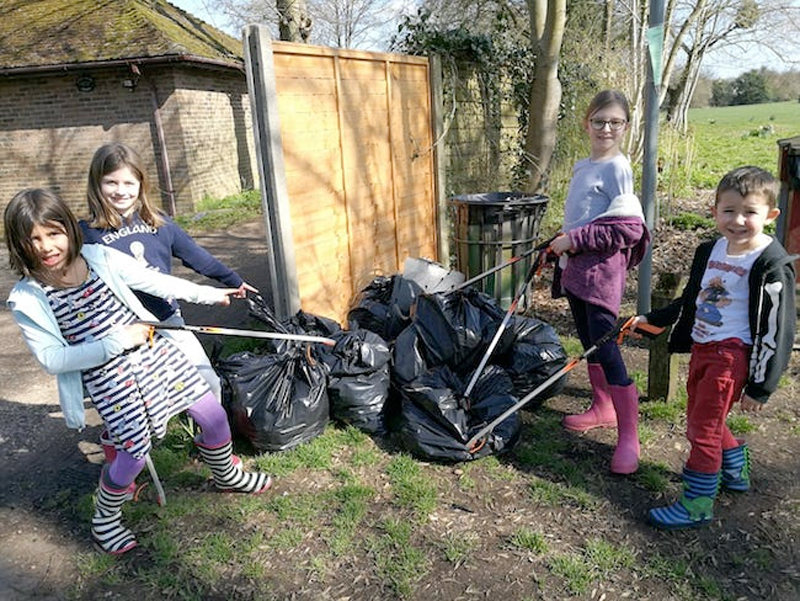
More than 20 people, including these young helpers, turned up for our Action Day on 24th March – maybe it had something to do with the weather which was great.  Lots of other bags were placed around the Heath for collection too.  Thank you everyone who took part.

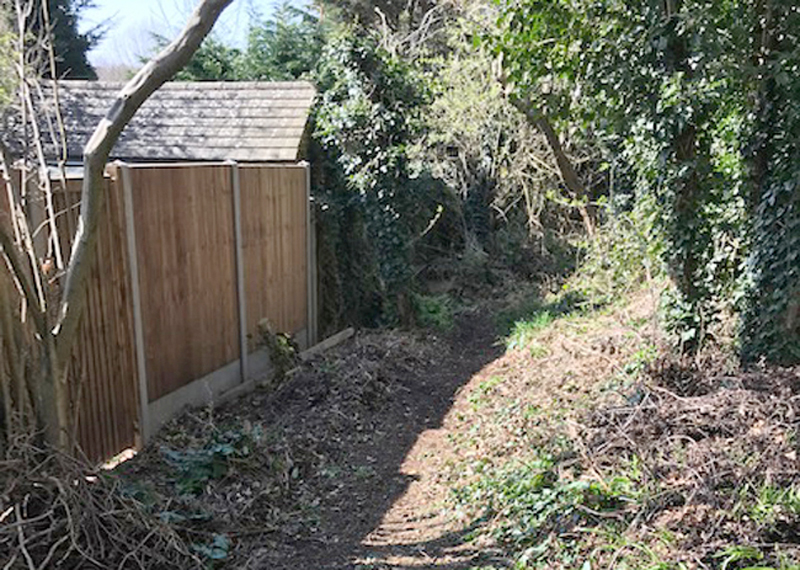
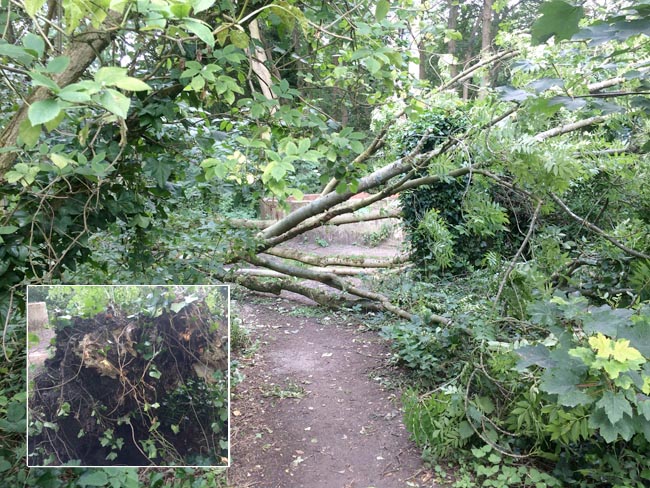
We didn’t forget Beech Bottom Dyke either, where sticks and other wood was blocking this section of the path. Rampant ivy is a also a problem when it results in trees being toppled – we worked on this too.

First Snow of Winter 2019

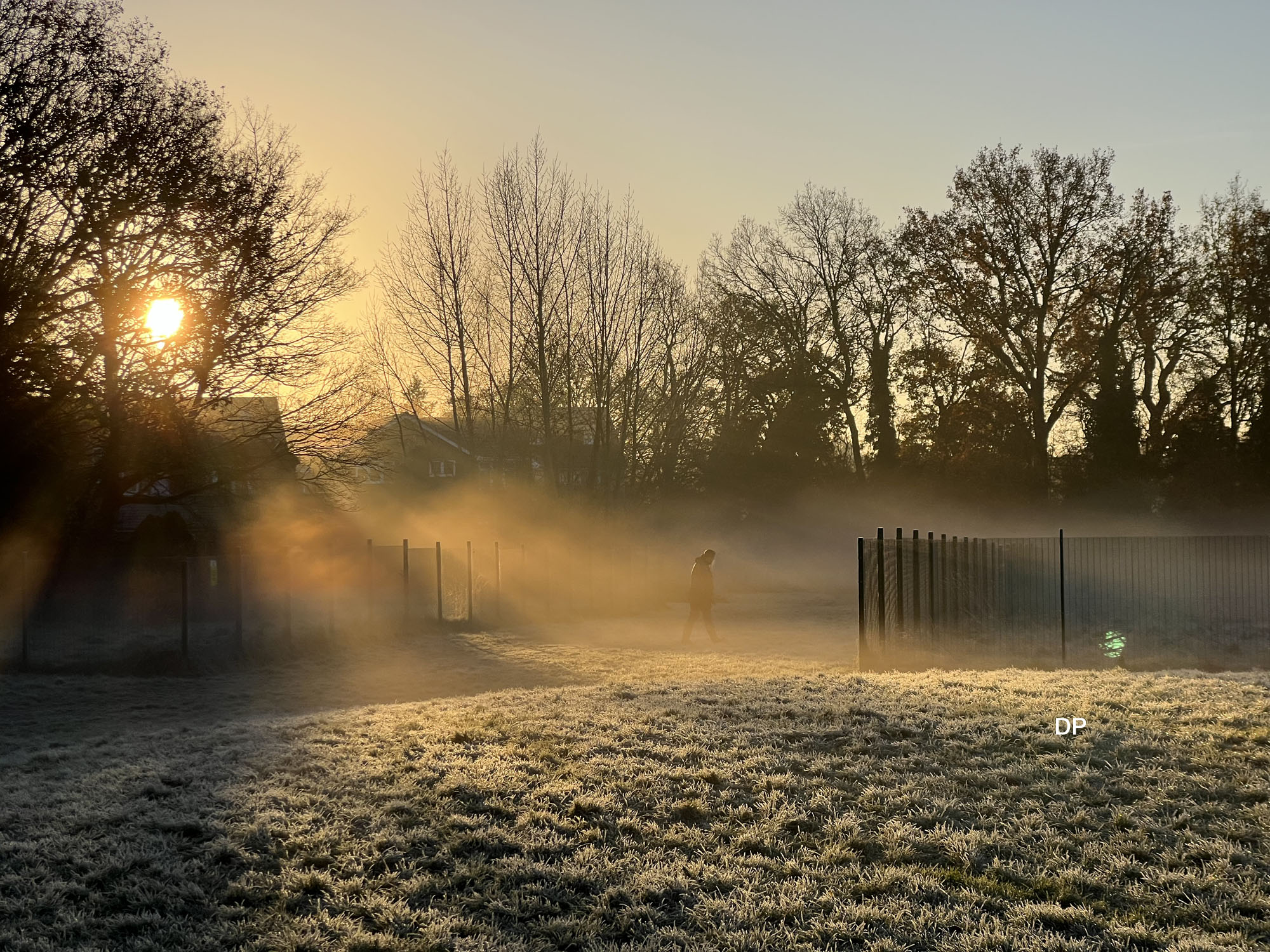
About 2 cm of snow fell over the night 22/23 January and rapidly disappeared. The last substantial fall of snow (for St Albans) was in December 2017.

blood red moon

The weather was good enough to see the first phase of the ‘blood red moon’ over the Heath late afternoon on the 20th January. If you were up at 5 am on the 21st, you may have seen a more intense blood red colour.

Photo: MN

Muntjac Deer Found Dead on the Heath

A Muntjac Deer was found dead by the side of Harpenden Road opposite the entrance to the old Fire Station.  Both sides of the road are wooded near this area and probably provide cover for these animals., although one has been spotted running at speed along Waverley Road.

They are 10 – 18 Kg in weight and can do considerable damage in a collision with a car, particularly in this area where speeding is commonplace. Being avid browsers they can also cause a lot of damage in gardens and to trees. If you spot one we would love to have a photo.

Planned destruction of recently restored fence

A well planned act of wanton destruction took place on the path between Spinney Cottage and Harpenden Road last Thursday or Friday, 23rd/24th August. A fence that was recently repaired was taken apart and sawn up to make a ramp for people on bikes. It is very dangerous.

If you saw any activity in this area, we would like to hear from you (use FoBH Mail in the side bar). Any witness responding will not have their name divulged to anyone other than the police.

The wood and ramp has now been removed (6/9/18)

Parchmarks on the Heath

Telltale signs
In very dry weather the grass of Verulamium Park shows clear signs of the Roman buildings below the surface. Bernards Heath, not to be outdone, has its own version, but indicating more recent history. The marks in the recent hot spell could not have been clearer (See ground level below and Google aerial photo, the latter taken before the marks had fully developed).

The marks in the recent hot spell could not have been clearer (See ground level below and Google aerial photo, the latter taken before the marks had fully developed).

Archaeologists refer to signs in vegetation growth as cropmarks, or parchmarks when the effect is extreme. If re-filled ditches or pits lie beneath the surface plants will grow better over them and resist drought. The reverse happens when walls or foundations just beneath the surface reduce the amount of topsoil holding moisture.

Continue reading “Parchmarks on the Heath”

Heritage Open Day Event 9 September 2018, Exploring Beech Bottom Dyke and Bernards Heath

Beech Bottom Dyke is a striking mile long Iron Age earthwork, linked to Shakespeare’s King Cymbeline, and set in an ancient area of commons called “Bernards Heath”. It is unpublicised and lacks interpretation – except for this guided walk.

This walk forms one of St Albans Heritage Open Days events and will take place on Sunday, 9th September 2018. More details can be found here

The local 19th century water colourist Henry Buckingham depicted this scene at Beech Bottom Dyke in 1859 when rifle training was given. At that time there was a threat of a possible invasion from France.
(by kind permission of St Albans Museum).

The Dyke is St Albans’ least known heritage asset. It is a huge Scheduled Ancient Monument running round the north of the city. Rendezvous at St Saviour’s Church Hall (Sandpit Lane, St Albans, AL1 4DF) at 2.00pm for a short talk followed by a guided circular walk across Bernards Heath, along the Dyke and back to the church hall for refreshments (to be paid for).

Google aerial view of the Dyke, which follows the diagonal line of trees in the image

We will interpret the setting of the Dyke and explain what is known about it, including its roles in the Wars of the Roses and defending us against the French in the 19th century. Literature and local experts will be on hand on the walk and in the church hall. Free parking is available at or near the church hall. Stout footwear is recommended. Dogs on leads welcome. The Dyke itself is not wheel-chair or buggy accessible. A reasonable level of fitness is needed to walk along the Dyke. The event will end by 5.00pm.

Please note that the the joining instructions below are the right ones and supersede those in the Friends of Bernards Heath newsletter.

Whole event up to three hours, walk approx. one hour.

Numbers are being requested to help the caterers and to ensure we do not exceed the capacity of the hall. Booking will be first come, first served.

Find out more by emailing admin@bernardsheath.org or call 07811 393694

There are no access restrictions for the Church Hall, but the Dyke itself can be rough under foot, especially after wet weather. The barriers there against motor cycles effectively prevent wheelchairs or buggies gaining access to the Dyke.

This sort of event is the only opportunity to enjoy interpretation of this Scheduled Ancient Monument.

Peter Burley